NGT Gives Green Signal to Strategic Great Nicobar Mega Project
Staff Writer: Susmita Ghosh
Published on: Feb. 18, 2026, 10:34 a.m.
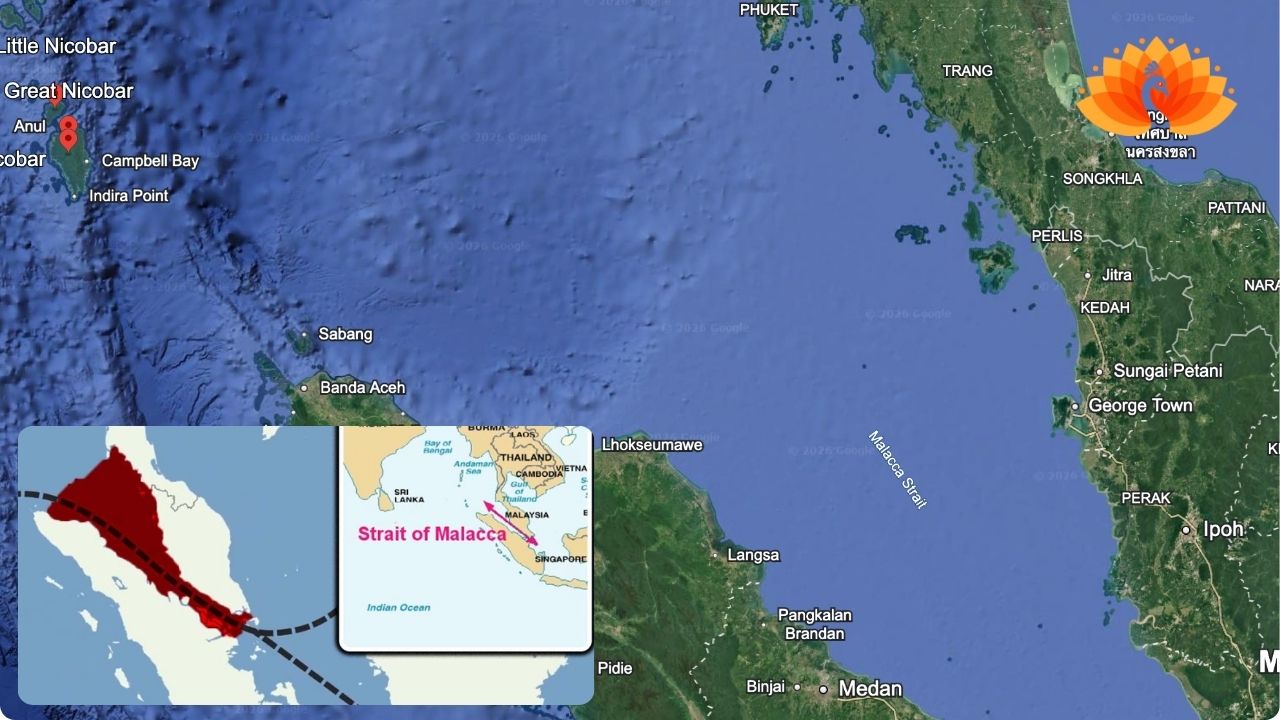
In a significant development, the National Green Tribunal (NGT) has delivered a major decision clearing the ₹90,000 crore Great Nicobar project. On February 16, 2026 total six member special bench of the NGT cleared the Great Nicobar Island Holistic Development Project. The project was about a total amount of ₹90,000 crore+. The Great Nicobar Island Holistic Development Project aims to convert Indian Southernmost Island into a strategic hub and a global maritime destination. The current project is frequently referred to as “Singapore” or “Hong Kong”. This is further implemented by Andaman and Nicobar Islands Integrated Development Corporation (ANIIDCO). This project consists of four interconnected "greenfield" components which covers almost 166 sq.km. These four components are as: International Container Transshipment Terminal (ICTP), Greenfield Township, Greenfield International Airport and Hybrid Power Plant. The project is officially scheduled for development in various stages such as phase 1, phase 2 and so on method. The Great Nicobar Island Holistic Development Project needed clearance from the National Green Tribunal (NGT) because it is the special court of India that deals with environment related disputes. This project standing on the pillar of three main objectives: Objective 1: Geostrategic Objective: India is focusing on strengthening its position near the Malacca Strait. This is considered to be one of the geostrategic objective selected in this project. Malacca Strait is one of the most important shipping routes and busiest routes in the world. Situated between Sumatra (west) and Malaysia/Thailand (east), it is considered the longest, most congested shipping strait in the world. India will be able to increase its trade and naval presence by developing infrastructure in this project. Objective 2: Economic Objective: Currently, India exports a large amount of its cargo to foreign ports for transshipment such as: Colombo and Singapore. This costs around ₹1,500 crore every year in fees. This dependency will be reduced after developing a major port in Great Nicobar. From an economical point of view, it can be observed that this strategy will help in saving more money and also increase additional earnings approximately ₹30,000 crore annually by 2040. Objective 3: Connectivity Objective: Great Nicobar Island, currently underdeveloped and remote. This project will eventually enhance airports, sea ports and road infrastructure in future. Great Nicobar Island, therefore, will gain top most priority for increasing better connectivity to mainland India and other infrastructure trade routes. This connectivity will further bring more development, jobs and faster movement of goods and people. The cost of the project which is estimated at ₹90,000 crore is financed by a Public-Private Partnership (PPP). The project is further planned based on national strategic interests and ecological preservation, a “balanced approach”. Although there are many advantages observed in this project, various criticisms are witnessed in recent times. Few criticisms that needed to be mentioned are as follows: Criticism 1: "Deeply Disappointing": Jairam Ramesh, Congress General Secretary & Former Environment Minister, has pointed to the plan as “deeply disappointing,” also showing “clear evidence” of disastrous ecological impacts. By stating the word: “deeply disappointing,” he pinpointed there is a failure. According to him, he witnessed NGT ruling as failing to address "disastrous ecological impacts". Criticism 2: "Genocide" Warning: Jairam Ramesh also raised other serious concerns regarding "Genocide". He claimed that, the Great Nicobar Island Holistic Development Project could lead to the virtual "genocide" of the Shompen tribe which can cause by threatening their ancestral lands. According to United Nations Genocide Convention, the term "genocide" is a motive to destroy any particular group people based on their nationality, ethnicity, race, or religion either completely or partly . However, in response to the above criticisms, Bhupender Yadav (Environment Minister of India) and other government officials, stated that this project will further upgrade the country's long-term strategy. They also referred to it as a “strategically vital,” project which means not only from a monetary or development perspective, this project is involved from a national security and global influence lens too. After reviewing carefully by the experts, this project is started. The estimated project completion time is considered to be approximately 30 years and will be starting soon by 2028.